Independent Laboratory
Verify Your Diamond — The Right Stone, the Right Paper.
Look up an SJC Cho Lon grading report or a GIA report with just a Stone ID. Transparent, scientific, built to protect the buyer.
From Our Desk
Gemology, explained clearly.
Why a GIA-Certified Diamond Still Needs Independent Verification Before Trading in Vietnam
A GIA report certifies the result for the very stone GIA examined when the report was issued — it does not automatically guarantee that the stone being traded today is the one that was graded. That gap is why independent verification matters.
Diamond Identity Verification for GIA-Certified Stones
A GIA report is the diamond market's common language. But the gap between “the certificate” and “the stone being traded” is exactly where independent identity verification becomes the last line of defense.
Diamond Identity Verification (DIV)
An international report answers “what is this diamond's quality?”. DIV answers “is the diamond in front of us the one that was certified?”. Two distinct, complementary goals.
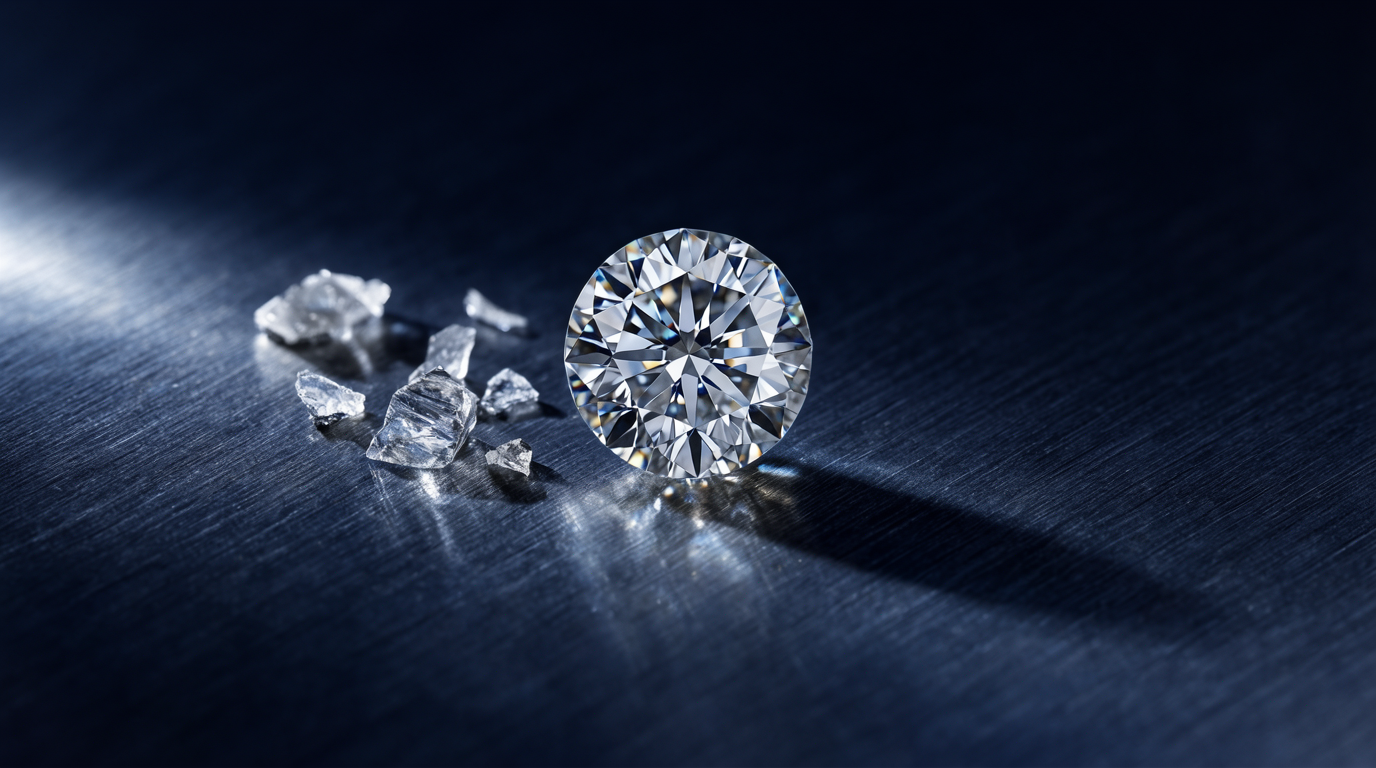
Hardness Is Not Toughness — Harder Materials Are Often More Brittle
A diamond is the hardest natural material at 10 Mohs, but hardness is not toughness. With low fracture toughness and perfect {111} cleavage planes, a diamond can still chip, crack, or break under a hard enough blow in the right direction.
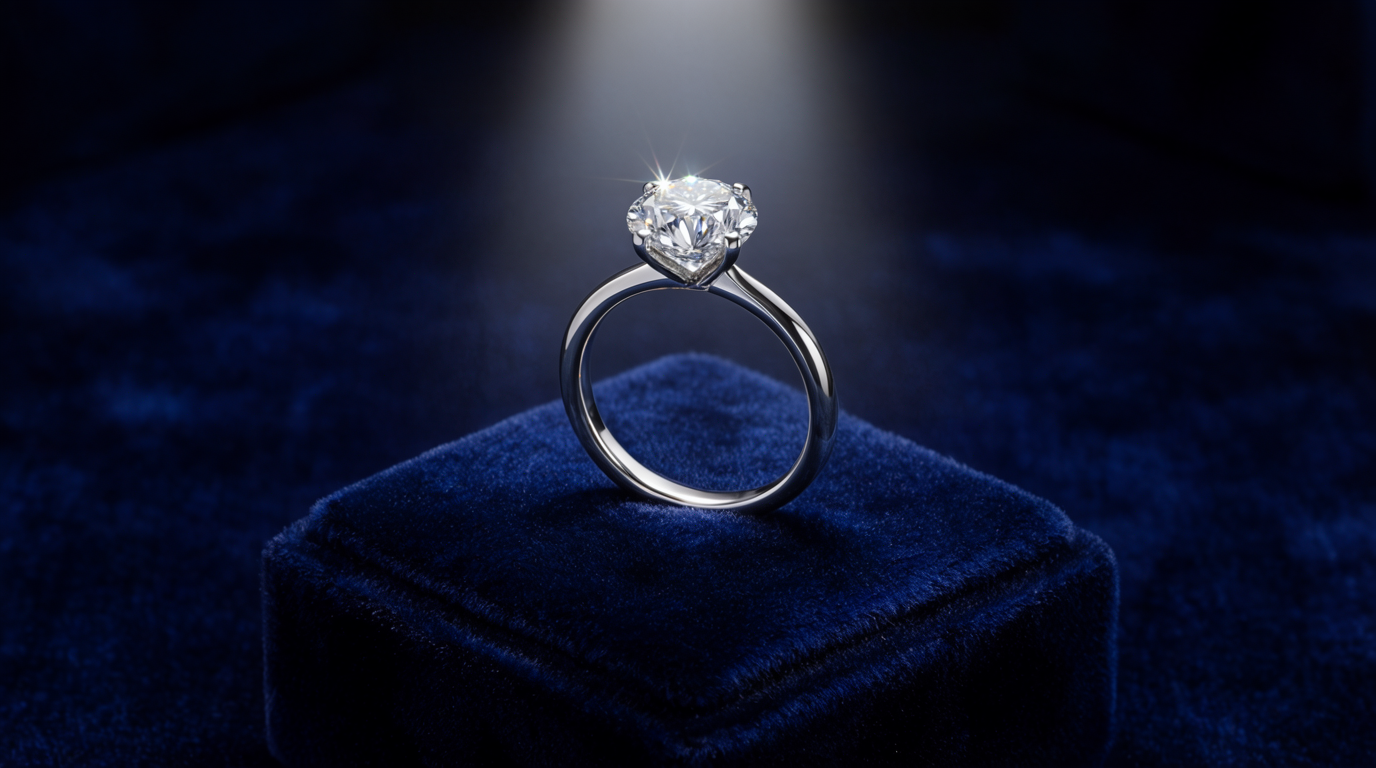
The Prestige of Diamond Jewelry
Diamond jewelry is bought first of all to be worn and to express status and personal value; asset accumulation means buying to preserve or grow financial value. The two goals are very different — and understanding that difference protects buyers from false expectations.
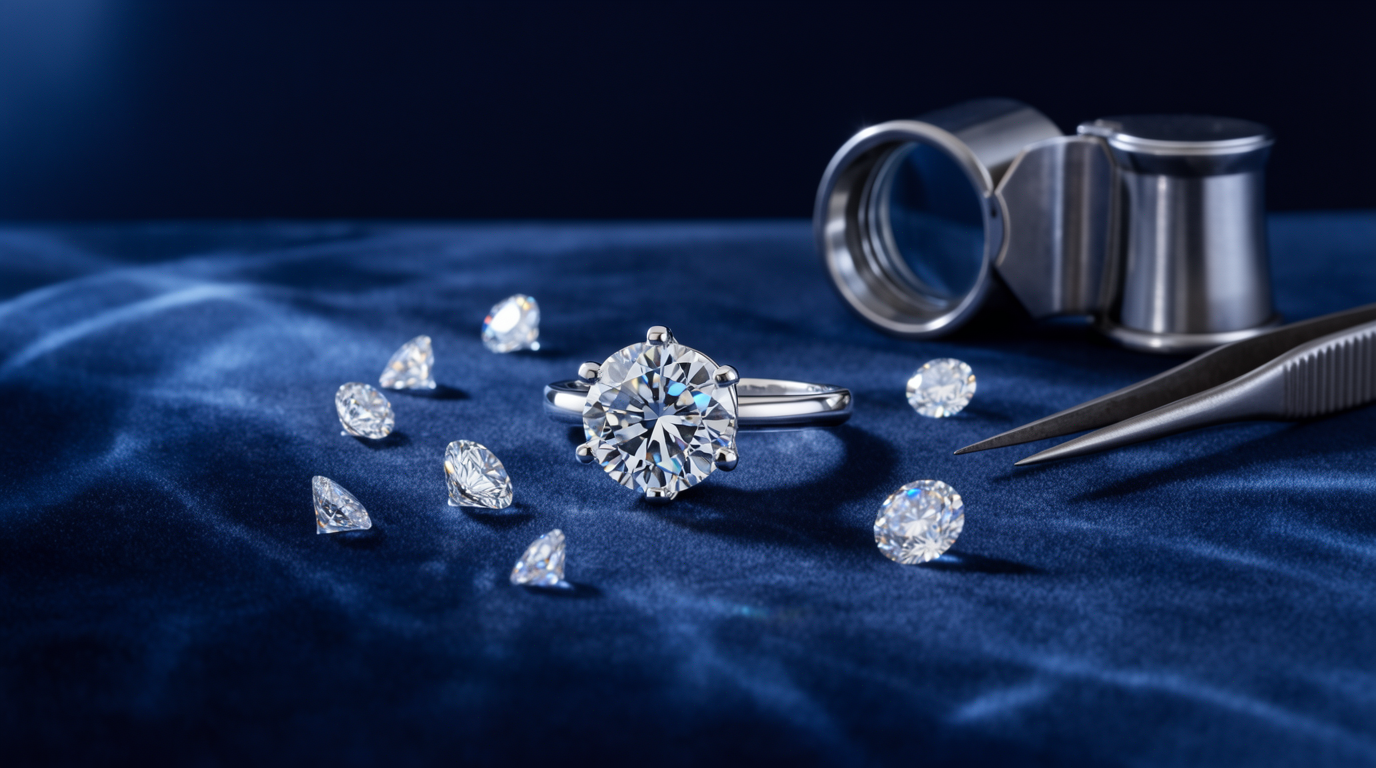
How Diamond Jewelry Retail Differs Between Vietnam and the World
In many developed markets, jewelry retailers do not treat buy-back as a core business — a reseller can lose 50–70% of the purchase price. In Vietnam, many companies instead run trade-in policies with deductions as low as 8–10%. Why the difference?